
What about a Wellbeing Economy?
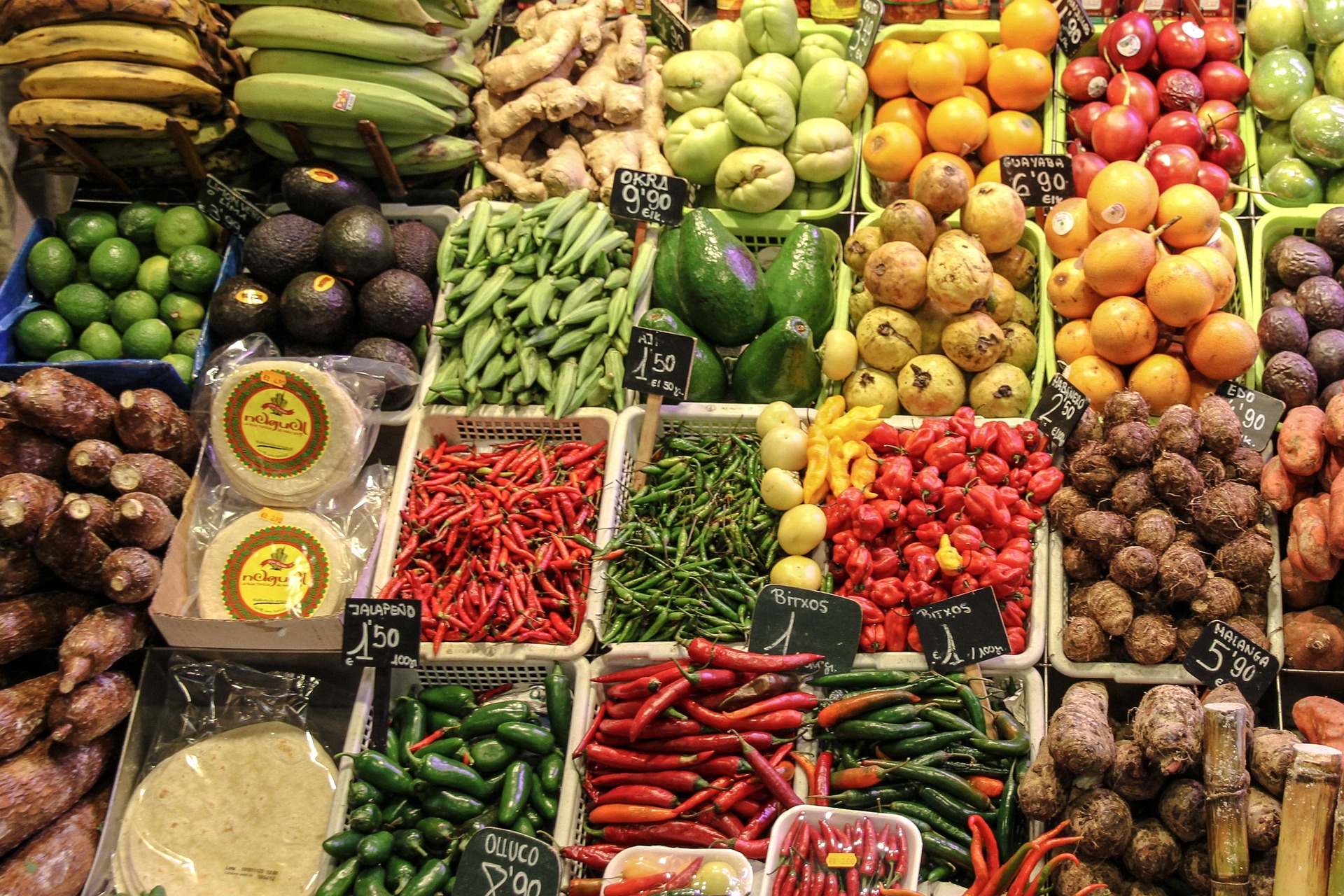
Do you find yourself vexed by the state of the economy? Perhaps by how hard it is to find work, or rising prices, or the sense that only a few are doing well while most people are struggling? Are you saddened by the damage being done to the planet in the name of progress? Do you long for a life that feels comfortable and nourishing?
The economy often seems to be a monolithic force that traps us into a life we don't want, but have no control over. We want it to be different, but can't imagine how it could change. However, there are many people, across the world, working on designing wellbeing economies. These are economies that enable everyone to enjoy a good quality of life and flourish, in harmony with the earth’s environment.
The Wellbeing Economy Alliance (WEAll) is a global collaboration of such organisations, movements and individuals working to transform the economic system to prioritize wellbeing. They have developed two courses to help you understand what a wellbeing economy is, why it matters, and how countries and cities are already working to change their economies. The courses were developed with help from the Doughnut Economics Action Lab and the ZOE Institute for Future-Fit Economies, so they bring together some strong ideas which are carefully researched and credible.
Central to the idea of a wellbeing economy is that the economy exists to serve the interests of people and the planet, and not the other way around. Also, a wellbeing economy is broad, including households, the commons, the state, as well as those things that are traditionally thought of as the economy—trade and industry and markets. In addition, the wellbeing economy includes the rules, norms and incentives that direct and control the actions of everyone involved.
The courses present five design principles to guide how to develop wellbeing economies—dignity for all people, participation in decision-making, a fair distribution of wealth and power, a restored natural world, and institutions that serve the common good. They also provide case studies of what is being done by cities and countries towards changing the status quo. The courses were developed by an international team and include experiences drawn from Australia, Wales, Scotland, and other locations.
The first, General course, is for anyone interested in learning more about wellbeing economies. It consists of seven modules. The first two are introductory and explain what a wellbeing economy is and why wellbeing economies matter. The next five modules focus on the processes that support change. They include how to build a narrative for a wellbeing economy, participatory practices for envisioning it, how to measure and track wellbeing, and how to build support for the idea.
The second, Policy Design course, is for those in government. It repeats the first two modules of the General course on what a wellbeing economy is and why wellbeing economies should be considered. It then includes a third introductory module, Leading from where you are, which establishes the important roles of government in the economy, and the ways that governments can move towards a wellbeing economy. There follow six modules providing ideas and examples on finding common ground, co-creating a wellbeing economy vision, measuring wellbeing, building a wellbeing economy movement, strengthening capacity, and policy impact assessment. A further module on finance is promised.
Here is my evaluation of the key points of the courses:
| Description | Two web-based, self-paced courses about wellbeing economies and how to create them. |
| Subject | Economies that are designed so that all people can enjoy a good quality of life and flourish, in harmony with the earth’s environment. |
| Location | https://wellbeingeconomycourse.org |
| Appropriate for | The general course is for anyone who is interested in wellbeing economies. The policy design course is for policymakers and people working in all levels of government. |
| Usability | The course is presented in a simple website. There is a comprehensive outline of the modules and their content, so it is easy to work through them in order, or to go back to specific modules. Some of the links are a bit inconsistnet, making navigation confusing at times. |
| Craftmanship | The course consists of explanatory text, diagrams, and videos. Case studies give concrete examples of how countries and cities are implementing wellbeing principles. There are 'deep dives' into some of the ideas with expanded explanations. All the work is referenced with links to original research and sources. Content is well written, clear, and easy to follow. It doesn't use technical jargon. There are activities and discussion boards which encourage you to reflect on and apply the ideas. The courses are well structured with an appropriate split between the main content and supplementary resources that can be explored. |
| Effectiveness | There is no information about how many people have completed the course, or plans to monitor its effectiveness. |
| Cost | The course is free. It is available on the website in any browser and does not require registration. |
This course was first released early in 2025 as a single, combined course. It has since been split into two courses for different audiences. I completed the original course, and have gone through some of the modules in the expanded courses.
I don't work in government, so can't reflect on how useful it was for me in that work, but I have been involved in research for and consulting to government agencies and it appears that the material is presented in an accessible and actionable way.
For me, the courses delivered what I wanted—to better understand the wellbeing economy landscape and progress. I learned a lot from the initial modules especially the language of wellbeing economies, the principles, and the frameworks that are being proposed. I also found the case studies in the later modules really interesting.
If you are looking for something informative and hopeful, these courses are worth doing.